Buy crédit.be ?
We are moving the project
crédit.be .
Are you interested in purchasing the domain
crédit.be ?
domain@kv-gmbh.de · 0541-91531010
Buy crédit.be ?
Roman-German Emperors
The term "Roman-German Emperors" refers to the Holy Roman Emperors, who were rulers of the Holy Roman Empire from the Middle Ages until its dissolution in 1806. The title of Holy Roman Emperor was created in the 10th century and was held by various monarchs who claimed to be the successors of the ancient Roman emperors. The Holy Roman Emperors were elected by a group of German princes and were considered the highest secular authority in the Holy Roman Empire, which was a complex political entity that encompassed parts of modern-day Germany, Italy, and other European countries. **
Holy Roman Emperor
The title of Holy Roman Emperor was a title given to the ruler of the Holy Roman Empire, a political entity in Central Europe that existed from 962 to 1806. The Holy Roman Emperor was considered the secular ruler of the Christian world, with authority over a vast territory that included parts of modern-day Germany, Italy, and France. The position was elected by a group of powerful princes and bishops known as the Electoral College. The title of Holy Roman Emperor was eventually abolished in 1806 following the defeat of the Empire by Napoleon Bonaparte. **

Similar search terms for Roman
Top-Angebote
Products related to Roman:
-
LA REDOUTE INTERIEURS Tiroir lit en pin massif, LoanLe tiroir lit en pin massif : pratique, c'est un lit d'appoint ou un tiroir de rangement à glisser sous le lit assorti vendu sur le site. En pin massif brut à peindre ou laqué finition AC.Description • Monté sur roulettes. • Livré avec sommier à lattes (13 lattes en pin massif brut). • Couchage 90 x 180 cm. • Fabrication européenne. • En pin massif brut à peindre ou laqué finition acrylique Qualité • Attention il faut un matelas de dimensions 90 x 180 cm pour ce tiroir lit. Dimensions Totales : • Largeur 94 cm • Hauteur 20,5 cm • Longueur 188 cm. • Intérieures : L90 x H14 x P181,2 cm. • FABRIQUÉ EN EUROPE. Fiche produit relative aux qualités et caractéristiques environnementales • Produit totalement recyclable. Dimensions et poids des colis 1 colis • L203 x H14 x P22 cm, 18,5 kg95,20 €*Shipping: 9,99 €Secure redirect to the provider
-
LA REDOUTE INTERIEURS Lit en pin massif avec sommier, LoanTrès bon rapport qualité/prix pour ce lit en pin massif Loan sobre et pratique. En pin massif brut à peindre ou laqué finition acrylique.Description • Couchage 90 x 190 cm. • En pin massif brut ou laqué finition acrylique • Livré avec sommier à lattes en pin massif brut. • Fabrication européenne. Dimensions Totales : • Longueur 196 cm • largeur 95 cm, • Hauteur tête 53 cm, pied 44 cm. Livraison Ce produit est vendu à monter. Il sera livré chez vous sur rendez-vous. Attention ! Veuillez vérifier que les ouvertures (portes, escaliers, ascenseurs) permettront le passage du/des colis lors de la livraison • FABRIQUÉ EN EUROPE. Dimensions et poids des colis 1 colis • L204 x H15 x P20 cm, 22 kg111,20 €*Shipping: 9,99 €Secure redirect to the provider


-
'Roman-German Emperors'
The Roman-German Emperors were a series of Holy Roman Emperors who ruled over the Holy Roman Empire from the Middle Ages to the early modern period. They were considered the successors to the ancient Roman Emperors and sought to establish their authority over the territories of the former Western Roman Empire. The title of Roman-German Emperor was meant to signify their dual role as rulers of both the Roman and Germanic peoples. The most famous Roman-German Emperor was Charlemagne, who was crowned Emperor of the Romans by Pope Leo III in 800 AD. The title continued to be used by subsequent Holy Roman Emperors until the dissolution of the Holy Roman Empire in 1806. **
-
"Roman-German Emperors"
The term "Roman-German Emperors" refers to the Holy Roman Emperors, who were rulers of a political entity in Central Europe that existed from 962 to 1806. The title of Holy Roman Emperor was created in the 10th century by Otto I, King of Germany, and it symbolized the revival of the Roman Empire in the West. The Holy Roman Emperors were considered the successors of the ancient Roman Emperors and were elected by a group of German princes. The empire was a complex political entity that encompassed parts of modern-day Germany, Italy, and other European territories. **
-
Roman-German emperors
The term "Roman-German emperors" refers to the Holy Roman Emperors, who were rulers of the Holy Roman Empire from the Middle Ages to the early 19th century. These emperors were considered the successors to the rulers of the ancient Roman Empire and were elected by a group of German princes. The Holy Roman Emperors held significant political and religious power in Central Europe, although their authority was often challenged by regional rulers and the papacy. The title of Holy Roman Emperor was officially abolished in 1806 following the dissolution of the Holy Roman Empire. **
-
Holy Roman Emperors
The Holy Roman Emperors were rulers of the Holy Roman Empire, a complex political entity in central Europe that existed from 800 to 1806. They were elected by a group of powerful princes and bishops known as the Electoral College. The title of Holy Roman Emperor was considered to be the highest temporal authority in Europe, although the actual power of the emperors varied greatly throughout the history of the empire. Some of the most famous Holy Roman Emperors include Charlemagne, Otto the Great, and Charles V. **
Was the Holy Roman Empire truly a Holy Roman Empire?
The term "Holy Roman Empire" was used to describe the multi-ethnic complex of territories in Central Europe ruled by the Roman Catholic Church and the Germanic Holy Roman Emperor. However, the empire was not truly holy in the sense of being divinely ordained, as its power was often based on political and military strength rather than religious authority. Additionally, the empire was not truly Roman, as it did not have its origins in the ancient Roman Empire but rather in the medieval Kingdom of Germany. Overall, the Holy Roman Empire was a complex political entity that combined elements of religion, politics, and culture, but it did not fully embody the ideals of holiness or Roman heritage. **
Was the Holy Roman Empire really a Holy Roman Empire?
The Holy Roman Empire was not truly holy, Roman, or an empire in the traditional sense. It was a complex political entity that existed in Central Europe from 962 to 1806, comprising a patchwork of territories ruled by various princes and bishops under the nominal authority of the Emperor. The title of "Holy Roman Empire" was meant to evoke the legacy of the ancient Roman Empire and the idea of a Christian empire, but in reality, it was a decentralized and often chaotic collection of states with limited central authority. **
Top-Angebote
Products related to Roman:
-
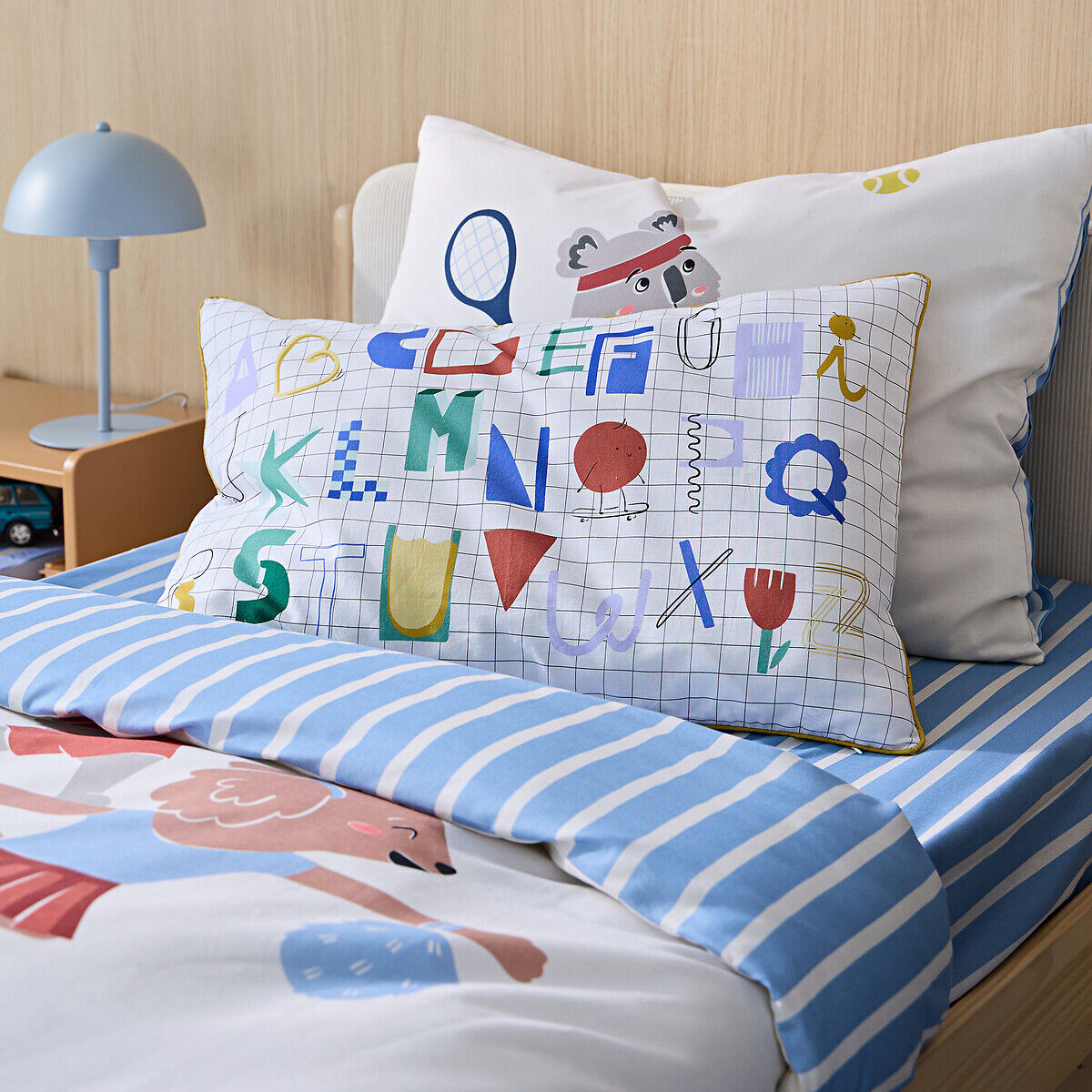
LA REDOUTE INTERIEURS Housse de coussin, 60x40 cm, RomanUn coussin plein de charme pour rêver, apprendre et jouer ! Sur le recto, un abécédaire dessiné comme à la main : chaque lettre a son petit style, comme sortie d’un cahier d’école... Une jolie façon de découvrir les lettres au quotidien.Parfaite pour une chambre d’enfant, sur un lit ou un fauteuil de lecture. On aime : son esprit ludique et poétique, idéal pour créer un univers tendre et inspirant. Description • 100% coton • Recto imprimé abécédaire, façon manuscrit • Verso uni • Fermeture zippée • Coussins de garnissage Terra vendus sur le site Entretien • Lavable à 30° Dimensions • 60 x 40 cm • OEKO-TEX® Standard 100. La labellisation OEKO-TEX® Standard 100 contrôle les substances nocives des produits textiles via un label indépendant et international.8,24 €*Shipping: 3,99 €Secure redirect to the provider
-
LA REDOUTE INTERIEURS Lit enfant avec barrière, LoanTrès bon rapport qualité/prix pour ce lit bébé en pin massif Loan livré avec sommier à lattes et pratique avec sa barrière de sécurité pour empêcher bébé de tomber.Description • En pin massif laqué finition acrylique • Livré avec sommier à lattes en pin massif brut type fagot et barrière de sécurité amovible. • Fabrication européenne. Dimensions • Longueur 146,5 cm • Largeur 76 cm • Hauteur tête 42 cm • Dimensions de la barrière L65 x H8 cm • Couchage 70 x 140 cm. Livraison Ce produit est vendu à monter. Il sera livré chez vous sur rendez-vous. Attention ! Veuillez vérifier que les ouvertures (portes, escaliers, ascenseurs) permettront le passage du/des colis lors de la livraison. • FABRIQUÉ EN EUROPE. Dimensions et poids des colis 1 colis • L159 x H13 x P23 cm, 13,7 kg111,20 €*Shipping: 9,99 €Secure redirect to the provider
-
LA REDOUTE INTERIEURS Tiroir lit en pin massif, LoanLe tiroir lit en pin massif : pratique, c'est un lit d'appoint ou un tiroir de rangement à glisser sous le lit assorti vendu sur le site. En pin massif brut à peindre ou laqué finition AC.Description • Monté sur roulettes. • Livré avec sommier à lattes (13 lattes en pin massif brut). • Couchage 90 x 180 cm. • Fabrication européenne. • En pin massif brut à peindre ou laqué finition acrylique Qualité • Attention il faut un matelas de dimensions 90 x 180 cm pour ce tiroir lit. Dimensions Totales : • Largeur 94 cm • Hauteur 20,5 cm • Longueur 188 cm. • Intérieures : L90 x H14 x P181,2 cm. • FABRIQUÉ EN EUROPE. Fiche produit relative aux qualités et caractéristiques environnementales • Produit totalement recyclable. Dimensions et poids des colis 1 colis • L203 x H14 x P22 cm, 18,5 kg95,20 €*Shipping: 9,99 €Secure redirect to the provider
-
LA REDOUTE INTERIEURS Lit en pin massif avec sommier, LoanTrès bon rapport qualité/prix pour ce lit en pin massif Loan sobre et pratique. En pin massif brut à peindre ou laqué finition acrylique.Description • Couchage 90 x 190 cm. • En pin massif brut ou laqué finition acrylique • Livré avec sommier à lattes en pin massif brut. • Fabrication européenne. Dimensions Totales : • Longueur 196 cm • largeur 95 cm, • Hauteur tête 53 cm, pied 44 cm. Livraison Ce produit est vendu à monter. Il sera livré chez vous sur rendez-vous. Attention ! Veuillez vérifier que les ouvertures (portes, escaliers, ascenseurs) permettront le passage du/des colis lors de la livraison • FABRIQUÉ EN EUROPE. Dimensions et poids des colis 1 colis • L204 x H15 x P20 cm, 22 kg111,20 €*Shipping: 9,99 €Secure redirect to the provider
-
Roman-German Emperors
The term "Roman-German Emperors" refers to the Holy Roman Emperors, who were rulers of the Holy Roman Empire from the Middle Ages until its dissolution in 1806. The title of Holy Roman Emperor was created in the 10th century and was held by various monarchs who claimed to be the successors of the ancient Roman emperors. The Holy Roman Emperors were elected by a group of German princes and were considered the highest secular authority in the Holy Roman Empire, which was a complex political entity that encompassed parts of modern-day Germany, Italy, and other European countries. **
-
Holy Roman Emperor
The title of Holy Roman Emperor was a title given to the ruler of the Holy Roman Empire, a political entity in Central Europe that existed from 962 to 1806. The Holy Roman Emperor was considered the secular ruler of the Christian world, with authority over a vast territory that included parts of modern-day Germany, Italy, and France. The position was elected by a group of powerful princes and bishops known as the Electoral College. The title of Holy Roman Emperor was eventually abolished in 1806 following the defeat of the Empire by Napoleon Bonaparte. **
-
'Roman-German Emperors'
The Roman-German Emperors were a series of Holy Roman Emperors who ruled over the Holy Roman Empire from the Middle Ages to the early modern period. They were considered the successors to the ancient Roman Emperors and sought to establish their authority over the territories of the former Western Roman Empire. The title of Roman-German Emperor was meant to signify their dual role as rulers of both the Roman and Germanic peoples. The most famous Roman-German Emperor was Charlemagne, who was crowned Emperor of the Romans by Pope Leo III in 800 AD. The title continued to be used by subsequent Holy Roman Emperors until the dissolution of the Holy Roman Empire in 1806. **
-
"Roman-German Emperors"
The term "Roman-German Emperors" refers to the Holy Roman Emperors, who were rulers of a political entity in Central Europe that existed from 962 to 1806. The title of Holy Roman Emperor was created in the 10th century by Otto I, King of Germany, and it symbolized the revival of the Roman Empire in the West. The Holy Roman Emperors were considered the successors of the ancient Roman Emperors and were elected by a group of German princes. The empire was a complex political entity that encompassed parts of modern-day Germany, Italy, and other European territories. **
Similar search terms for Roman
-
Roman-German emperors
The term "Roman-German emperors" refers to the Holy Roman Emperors, who were rulers of the Holy Roman Empire from the Middle Ages to the early 19th century. These emperors were considered the successors to the rulers of the ancient Roman Empire and were elected by a group of German princes. The Holy Roman Emperors held significant political and religious power in Central Europe, although their authority was often challenged by regional rulers and the papacy. The title of Holy Roman Emperor was officially abolished in 1806 following the dissolution of the Holy Roman Empire. **
-
Holy Roman Emperors
The Holy Roman Emperors were rulers of the Holy Roman Empire, a complex political entity in central Europe that existed from 800 to 1806. They were elected by a group of powerful princes and bishops known as the Electoral College. The title of Holy Roman Emperor was considered to be the highest temporal authority in Europe, although the actual power of the emperors varied greatly throughout the history of the empire. Some of the most famous Holy Roman Emperors include Charlemagne, Otto the Great, and Charles V. **
-
Was the Holy Roman Empire truly a Holy Roman Empire?
The term "Holy Roman Empire" was used to describe the multi-ethnic complex of territories in Central Europe ruled by the Roman Catholic Church and the Germanic Holy Roman Emperor. However, the empire was not truly holy in the sense of being divinely ordained, as its power was often based on political and military strength rather than religious authority. Additionally, the empire was not truly Roman, as it did not have its origins in the ancient Roman Empire but rather in the medieval Kingdom of Germany. Overall, the Holy Roman Empire was a complex political entity that combined elements of religion, politics, and culture, but it did not fully embody the ideals of holiness or Roman heritage. **
-
Was the Holy Roman Empire really a Holy Roman Empire?
The Holy Roman Empire was not truly holy, Roman, or an empire in the traditional sense. It was a complex political entity that existed in Central Europe from 962 to 1806, comprising a patchwork of territories ruled by various princes and bishops under the nominal authority of the Emperor. The title of "Holy Roman Empire" was meant to evoke the legacy of the ancient Roman Empire and the idea of a Christian empire, but in reality, it was a decentralized and often chaotic collection of states with limited central authority. **
* All prices are inclusive of VAT and, if applicable, plus shipping costs. The offer information is based on the details provided by the respective shop and is updated through automated processes. Real-time updates do not occur, so deviations can occur in individual cases. ** Note: Parts of this content were created by AI.